SPF for Acne-Prone Skin

SPF for Acne-Prone Skin

Protecting acne-prone skin from the sun should never feel like a compromise. Our products of SPF for acne-prone skin brings together lightweight, non-comedogenic, oil-controlling and blemish-friendly formulas designed to help protect your skin without leaving it feeling greasy, heavy or congested.

Whether you are looking for a mattifying SPF 50, a sunscreen for oily acne-prone skin, a calming mineral sunscreen or a daily face SPF that layers well under makeup, discover formulas selected to support clearer-looking, comfortable and protected skin.

Sort by

Filter 7 products

Eucerin Oil Control Sun Gel-Cream Dry Touch SPF50+ 50mlEucerin Oil Control Sun Gel-Cream Dry Touch SPF50+ 50ml
Eucerin Oil Control Sun Gel-Cream Dry Touch SPF50+ 50ml

$21.00 $27.00 22% offsaving
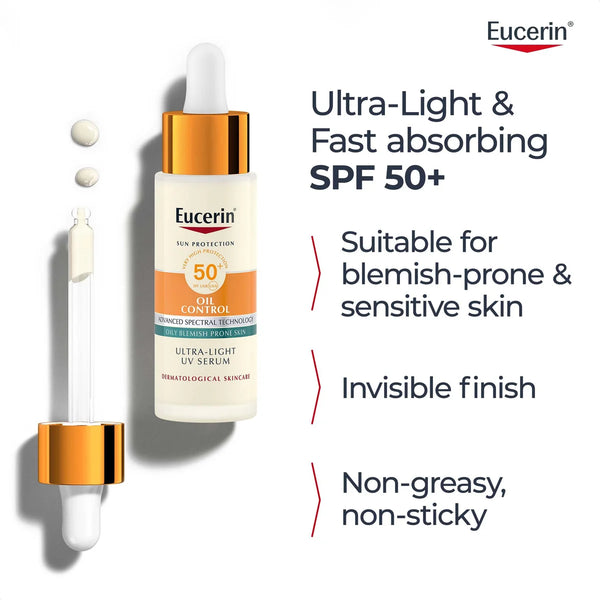
Eucerin Sun Oil Control Ultra-Light Daily Serum SPF 50+ 30mlEucerin Sun Oil Control Ultra-Light Daily Serum SPF 50+ 30ml
Eucerin Sun Oil Control Ultra-Light Daily Serum SPF 50+ 30ml

$32.00 $40.00 20% offsaving
Altruist Oily Skin Cream SPF50Altruist Oily Skin Cream SPF50
Altruist Oily Skin Cream SPF50

$10.00 $13.00 23% offsaving
Skincare bottle labeled 'The Ordinary' on a white backgroundThe Ordinary Sulfur 10% Powder-to-Cream Concentrate 5g
The Ordinary Sulfur 10% Powder-to-Cream Concentrate 5g

$12.00 $13.00 8% offsaving
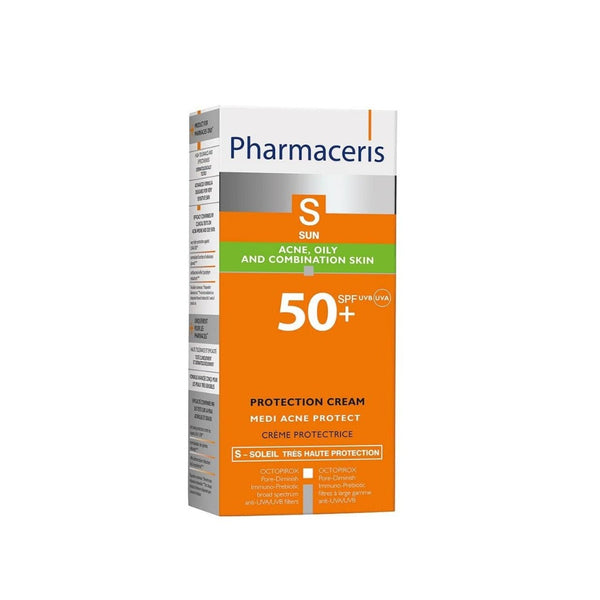
Pharmaceris S - Medi Acne Protect SPF 50Pharmaceris S - Medi Acne Protect SPF 50
Pharmaceris S - Medi Acne Protect SPF 50

$27.00 $33.00 18% offsaving
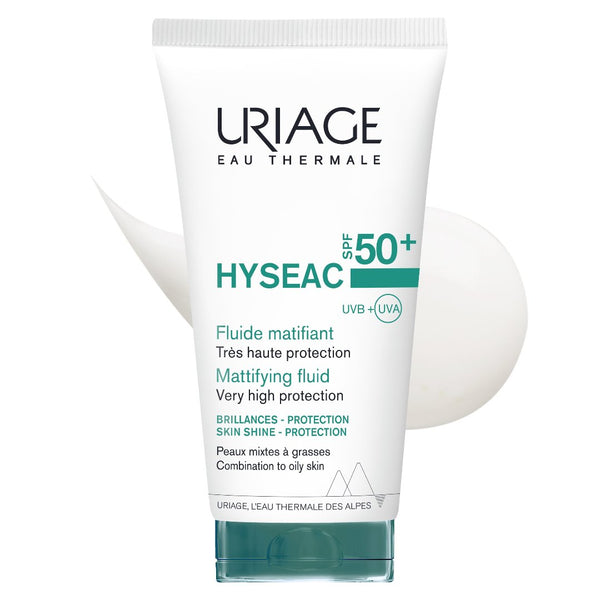
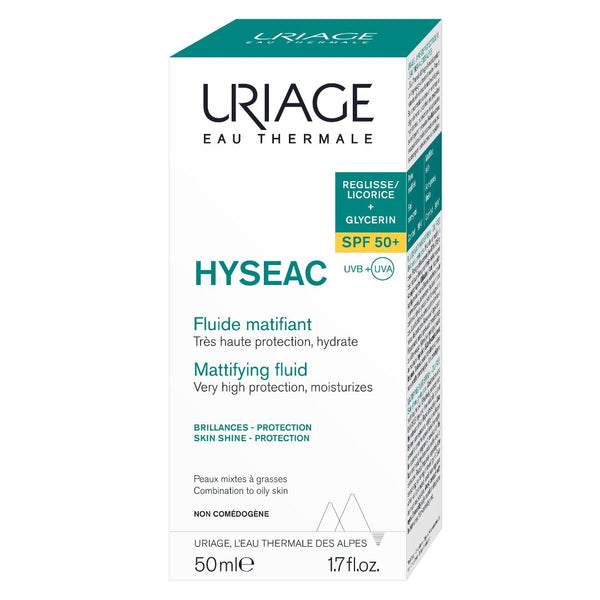
Uriage Hyséac Fluid SPF50+ 50mlUriage Hyséac Fluid SPF50+ 50ml
Uriage Hyséac Fluid SPF50+ 50ml

$20.00 $22.00 9% offsaving
New
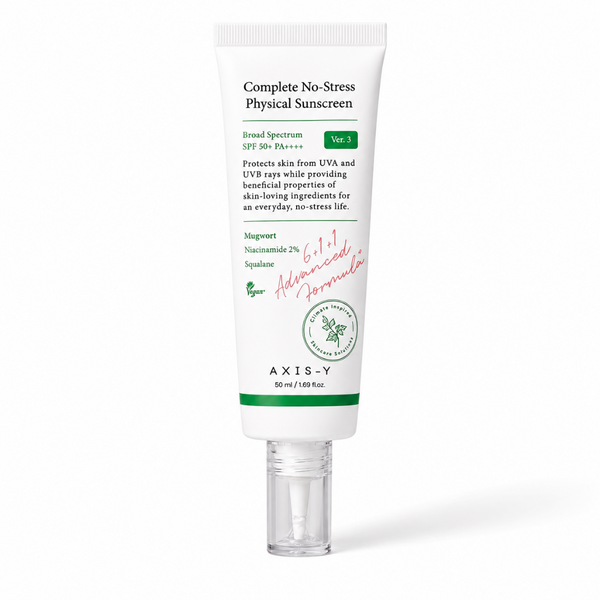
Axis-Y Complete No-Stress Physical Sunscreen tube on a white backgroundAXIS-Y 6+1+1 Complete No Stress Physical Sunscreen PA++++ SPF50+ 50ml

SPF for Acne-Prone Skin

About SPF for Acne-Prone Skin

If you have acne-prone skin, it can be tempting to avoid sunscreen altogether, especially if previous products have felt thick, shiny or pore-clogging. However, daily SPF is one of the most important steps in a blemish-prone routine, and in fact, UV exposure can worsen visible inflammation, darken post-acne marks and leave skin more vulnerable to long-term damage. This is particularly evident if you use active ingredients such as retinoids, exfoliating acids or benzoyl peroxide.

However, our collection brings together carefully selected sunscreens for acne-prone skin, including oil-free, non-comedogenic and mattifying formulas that help defend against UVA and UVB rays while supporting skin that is prone to congestion, excess shine and breakouts.
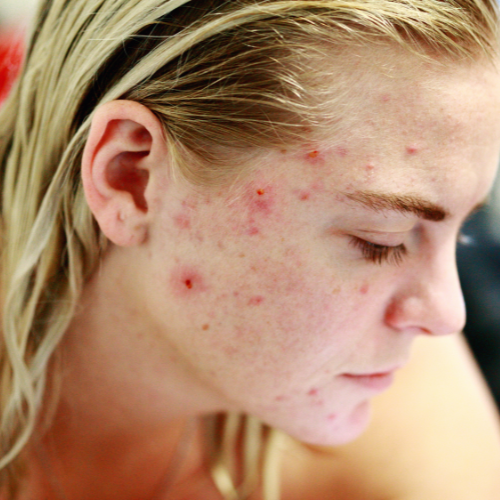
Sunscreen Tips For Oily, Acne-Prone Skin: 365 Days of SPF

Why Acne-Prone Skin Needs SPF

Daily SPF is essential for every skin type, including acne-prone skin. For blemish-prone complexions, SPF plays a particularly important role because breakouts often leave behind visible marks, redness or uneven tone. When these marks are exposed to UV rays, they can appear darker and take longer to fade.

Acne treatments can also make skin feel more delicate. Ingredients such as retinoids, exfoliating acids and benzoyl peroxide are often used to target congestion and breakouts, but they can leave skin more sensitive to dryness, irritation and sun exposure. A broad-spectrum SPF helps protect your progress, so your routine can focus on clearing, calming and strengthening the skin without avoidable UV damage.

A good SPF for acne-prone skin should not feel like a separate, uncomfortable layer. The right formula should sit neatly within your morning routine, helping to protect your skin while supporting a smoother, more balanced finish.

What Makes a Sunscreen Good for Acne-Prone Skin?

When choosing sunscreen for acne-prone skin, texture and formulation are key. Heavy, greasy or occlusive products can feel uncomfortable and may put you off wearing SPF consistently. Instead, look for formulas designed for oily, combination, blemish-prone or sensitive skin.

A good acne-friendly SPF will often include:

  • Non-comedogenic formulas: These formulas are designed to minimise the risk of clogged pores.
  • Oil-free or oil-control technology: Helpful for skin that becomes shiny throughout the day.
  • Mattifying or dry-touch finishes: Ideal if your skin feels oily or if you want SPF to sit well under makeup.
  • Lightweight textures: Fluids, gels and gel-creams tend to feel more comfortable on breakout-prone skin.
  • Broad-spectrum protection: Helps protect against UVA and UVB rays.
  • Skin-supportive ingredients: Niacinamide, antioxidants, soothing ingredients and hydrators can help support the skin barrier while protecting against UV exposure.

The best SPF is not always the strongest-feeling formula. For acne-prone skin, comfort matters because the product you enjoy using is the one you are most likely to apply every day.

The Best Types of SPF for Oily and Acne-Prone Skin

Different acne-prone skin types need different textures. If your skin is very oily, a mattifying fluid or dry-touch gel may feel most comfortable. If your skin is acne-prone but also sensitive or dehydrated, a calming cream or mineral-based sunscreen may be more suitable.

  • For oily acne-prone skin, look for sebum-absorbing formulas that help reduce shine without stripping. These are ideal for daily wear, especially if you prefer a soft matte finish.
  • For sensitive acne-prone skin, choose fragrance-free or calming formulas that focus on comfort as well as protection. Mineral sunscreens containing zinc oxide or titanium dioxide can be a good option for some sensitive skin types.
  • For post-acne marks, choose a high-protection broad-spectrum SPF and apply it consistently. UV exposure can make pigmentation and uneven tone appear more noticeable, so daily protection is key when working to improve the appearance of dark spots.
  • For acne-prone skin under makeup, lightweight fluids, gel-creams and invisible SPFs are often the easiest to layer. Let each skincare step settle before applying SPF, then allow your sunscreen to absorb before makeup.

How to Use SPF in an Acne-Prone Skincare Routine

Your SPF should be the final step in your morning skincare routine, so you’ll want to add it after cleansersserumsacne treatments and moisturisers have been applied.

A simple morning routine for acne-prone skin could look like this:

  1. Using a gentle cleanser
  2. Adding a lightweight serum or treatment
  3. An oil-free or non-comedogenic moisturiser
  4. Lastly, a broad-spectrum SPF 30 or SPF 50

If your sunscreen already provides enough hydration, you may not need a separate moisturiser in the morning, especially if your skin is very oily. However, if your skin feels tight, dry or sensitised from acne treatments, lightweight hydration underneath SPF can help keep your barrier comfortable.

In the evening, cleanse thoroughly to remove sunscreen, makeup, excess oil and daily buildup. Acne-prone skin often benefits from a double cleanse, especially after water-resistant SPF or makeup.

Ingredients to Look for in SPF for Acne-Prone Skin

The best sunscreen for acne-prone skin combines reliable UV protection with a formula that respects the skin barrier. Depending on your skin’s needs, look for SPF with:

  • Niacinamide: Helps support the skin barrier, balance the look of oiliness and reduce the appearance of redness.
  • Zinc oxide: A mineral UV filter is often used in sunscreens for sensitive or reactive skin.
  • Silica or oil-absorbing powders: Helps to reduce excess shine and create a more matte finish.
  • Antioxidants: Supports your skin against environmental stressors alongside UV protection.
  • Glycerin or hyaluronic acid: Provides lightweight hydration without heaviness.
  • Soothing ingredients: Helpful if your skin feels easily irritated or reactive.

If you are using strong acne treatments, avoid overloading your morning routine with too many active ingredients. A simple, consistent routine with daily SPF is often more effective than layering multiple exfoliants, treatments and mattifying products at once.

Need Personalised Skincare Advice for Acne-Prone Skin?

Are you unsure which face sunscreen is right for your skin? Our Skin Experts can help you choose an SPF that works with your current routine, whether you are managing breakouts, post-acne marks, oiliness, sensitivity or acne treatment-related dryness.

Contact our expert team, explore our Skin & Self-Care Journal, or take our free online skin test to build a routine that keeps your skin protected, balanced and comfortable.

Frequently Asked Questions

SHOULD YOU WEAR SPF IF YOU HAVE ACNE?

Yes. Acne-prone skin still needs daily sun protection. SPF helps protect against UV damage and can help prevent post-acne marks from looking darker or taking longer to fade.

CAN SUNSCREEN CAUSE ACNE?

Although some sunscreens may feel too heavy or greasy for acne-prone skin, the right formula should not automatically cause breakouts. Look for non-comedogenic, oil-free, lightweight or mattifying sunscreens designed for blemish-prone skin.

WHAT IS THE BEST SUNSCREEN FOR ACNE-PRONE SKIN?

The best sunscreen for acne-prone skin is usually lightweight, non-comedogenic, broad-spectrum and comfortable enough for daily use. Many of our community with acne-prone skin types prefer gel, fluid, dry-touch or mattifying SPF formulas.

IS SPF 30 OR SPF 50 BETTER FOR ACNE-PRONE SKIN?

Both can be suitable, provided they offer broad-spectrum protection. SPF 50 may be preferred if you are outdoors for longer periods, have post-acne pigmentation, or use acne treatments that make your skin feel more sensitive.

IS MINERAL SUNSCREEN BETTER FOR ACNE-PRONE SKIN?

Mineral sunscreens can be a good choice for sensitive or reactive acne-prone skin, but they are not the only option. Many modern chemical and hybrid sunscreens are lightweight, non-comedogenic and suitable for blemish-prone skin.

HOW DO I STOP SUNSCREEN FROM CLOGGING MY PORES?

Choose a non-comedogenic formula, apply only the amount needed, and cleanse thoroughly in the evening. If you wear makeup or water-resistant SPF, a double cleanse can help remove residue without stripping the skin.

CAN I USE SPF WITH ACNE TREATMENTS?

Yes. In fact, SPF is especially important if you use acne treatments such as retinoids, exfoliating acids or benzoyl peroxide. Apply treatments as directed, allow your routine to settle, then use SPF as the final morning step.

WHAT SPF FINISH IS BEST FOR OILY ACNE-PRONE SKIN?

A matte, dry-touch or oil-control finish is often best for oily acne-prone skin. These formulas help reduce shine and can sit more comfortably throughout the day.