Moisturisers for Dry Skin

Moisturisers for Skin That Feels Dry and Tight

Dry skin makes less of its own oil, so moisture escapes quickly and skin can feel tight or look flaky. Richer creams and balms tend to work best, because they add moisture and help keep it in. You'll find face creams, night creams, repair balms and body lotions here. Not sure where to start? Pick the texture first.

Sort by

Filter 55 products

There are no products available or they are unavailable in your country.
Go back one step or clear all filters


Moisturisers for Dry Skin

About Moisturisers for Dry Skin

How to Choose a Moisturiser for Dry Skin

Start with texture. Creams and balms usually suit dry skin better than lotions and gels, as they hold on to moisture for longer. Apply yours straight after cleansing, while skin is still slightly damp. Look for ceramides if your skin barrier feels worn, and hyaluronic acid if it feels tight. If a rich cream feels heavy in the morning, save it for night and wear something lighter under SPF.

Dry Hands and Body

Face creams are made for thinner skin, so they're not always the best fit elsewhere. Dry hands need something that survives hand washing, and our hand creams for dry skin are made for that. For arms and legs, browse our body creams.

Not Sure Which Moisturiser Is Right for You?

Want advice tailored to your skin? Start with our free online skin test. You can also contact our expert team for one-to-one advice, and read our blog for expert tips on building a routine that supports your skin goals.
Rich Creams for Dry, Tight Skin

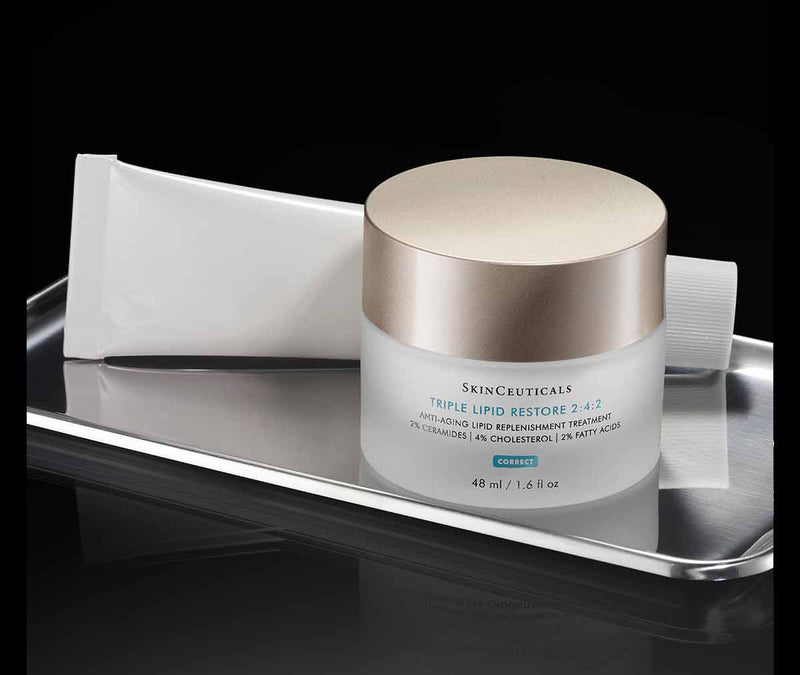
If your skin feels tight by mid-morning, go for a richer cream. SkinCeuticals Triple Lipid Restore 2:4:2 is built around ceramides and made to support your skin barrier. Environ's Focus Care Moisture+ is designed for dry skin and to replenish the moisture barrier. For very dry skin that's also sensitive, La Roche-Posay Nutritic Intense Rich is made to ease tightness and has no added perfume.

shop SkinCeuticals

Moisturisers for Dry Skin That Reacts Easily

Dry skin that also reacts easily needs something gentler. La Roche-Posay Toleriane Dermallergo Soothing Night Cream is a gel cream made for sensitive, allergy-prone skin, so it suits an evening routine. For patches rather than your whole face, Avène Cicalfate+ is a protective cream made for localised dryness, such as around the nose. Patch test anything new first.

shop La Roche-Posay

Body Lotions for Rough, Dry Skin

Rough, scaly patches on your arms and legs often need more than a face cream. Eucerin UreaRepair Plus 10% Urea Lotion combines urea with ceramides and is made for dry to very dry skin. La Roche-Posay Lipikar Lait Urea 5+ is a lighter urea lotion that's gentle enough for daily use.

shop Eucerin

Expert Tip for Dry Skin

"Dry skin is short on oil, so a good cream does most of the work, but timing matters. Moisturise within a few minutes of washing, while your skin is still slightly damp. It holds on to moisture best then. Hot water strips oil too, so keep your showers and face washing lukewarm. If your skin is still tight after a couple of weeks of regular moisturising, speak to your pharmacist or GP."

- Kimberley, Clinic and Customer Experience Manager.

take the free skin test

Wave Goodbye to Dry Skin This Winter

Cold weather and central heating can leave skin dry and flaky. Our winter guide has ideas for keeping it comfortable.

read the guide

Frequently Asked Questions

What is the best moisturiser for dry skin?

Choose a richer cream or balm over a light gel. Thicker textures hold on to moisture for longer, so skin feels comfortable for more of the day. Ceramides and hyaluronic acid are good ingredients to look for. If your skin is dry and sensitive, go for a fragrance-free formula.

What's the difference between dry skin and dehydrated skin?

Dry skin is a skin type, and it doesn't make enough oil. Dehydrated skin is short of water, and any skin type can be dehydrated. Dry skin feels tight and can look flaky. Dehydrated skin often looks dull, and fine lines show up more. You can have both at once. Have a look at our products for dehydrated skin.

How often should I moisturise dry skin?

Twice a day is a good rule, once in the morning and once at night. Apply it while your skin is still slightly damp after cleansing, as that helps it hold on to moisture. If your skin feels tight during the day, it's fine to add a little more.

Why is my skin so dry in winter?

Cold air holds less moisture, and central heating dries the air indoors even more, so your skin loses water faster. Long hot showers make it worse because they strip away natural oils. A richer cream in the colder months and a lukewarm rinse usually help.

Can I use my face moisturiser on my body?

You can, but it's rarely practical. Body skin is thicker and needs much more product, so a face cream gets expensive quickly. Body lotions and creams are made for larger areas. Our body creams are a good place to look.

What does urea do in a moisturiser?

Urea is part of your skin's own natural moisturising factors, and it draws water into the skin. At higher strengths it also loosens rough, flaky skin. Lower strengths suit everyday use. Around 10% is for very dry, rough areas, mostly on the body. Start lower if your skin is sensitive.

Which moisturiser is best for dry, sensitive skin?

Keep it simple. Look for fragrance-free formulas with a short ingredient list, and add one new product at a time so you can see how your skin responds. Patch test first. Our products for sensitive skin are a good starting point.

Is dry skin the same as eczema?

Not always. Dry skin is very common and usually settles with regular moisturising. Eczema causes red, itchy patches, and it needs medical advice. A moisturiser can help keep skin comfortable, but it isn't a treatment. If your skin is itchy or cracked, or hasn't improved after a couple of weeks, see your pharmacist or GP.