Acne Creams, Serums & Supplements

Acne Creams, Serums & Supplements

At Face The Future, we are here to give you advice for life, supporting your skin journey with expert-led products, personalised guidance and trusted skincare solutions. If you have acne-prone skin or blemish-prone skin, choosing the right acne treatment can feel overwhelming. From acne creams and serums to acne supplements, spot treatments and acne patches, there are so many options.

Whether you are dealing with forehead acnechin or jawline acneacne on cheeks, hormonal breakouts, menopausal acne or post-acne marks, a consistent and targeted routine can help support clearer, healthier-looking skin.

Sort by

Filter 227 products

Sold out
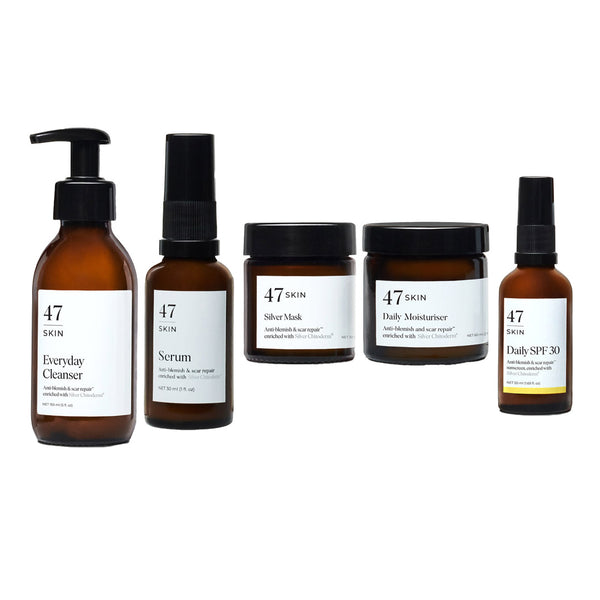
47 Skin Treatment Duo

$52.00 $73.00 29% offsaving
Coming Soon
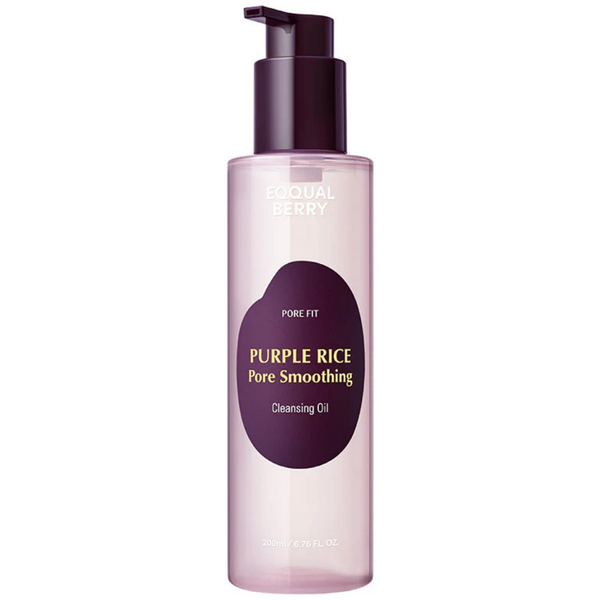
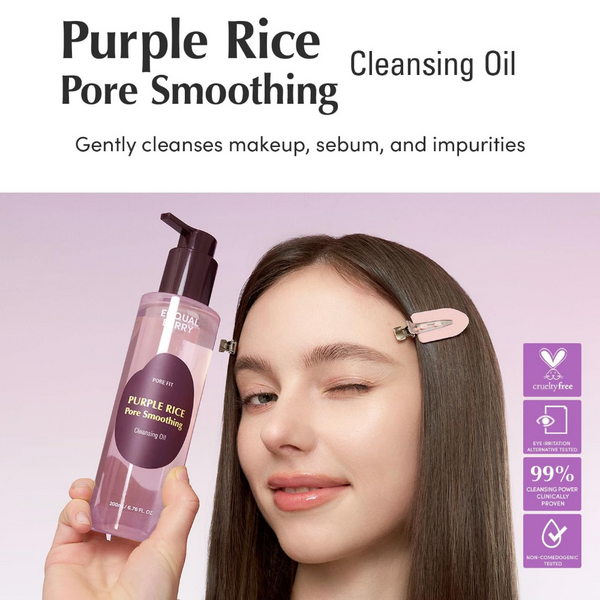
Eqqualberry Pore Fit Purple Rice Pore Smoothing Cleansing Oil 200mlEqqualberry Pore Fit Purple Rice Pore Smoothing Cleansing Oil 200ml
Coming Soon
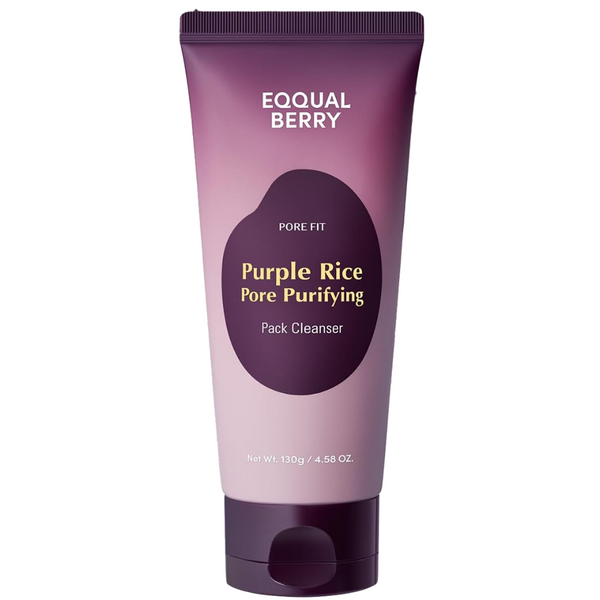
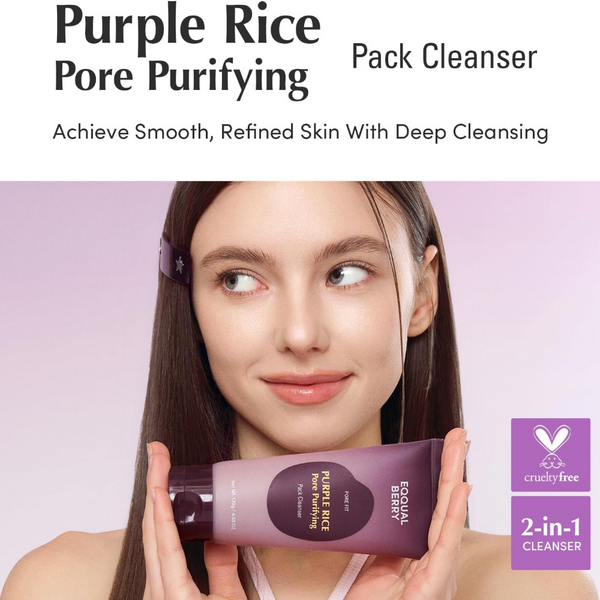
Eqqualberry Pore Fit Purple Rice Pore Purifying Pack Cleanser 130mlEqqualberry Pore Fit Purple Rice Pore Purifying Pack Cleanser 130ml
Sold out
Set of skincare products from the brand 'Sebamed' on a white backgroundSebamed Clear Face Bundle
Sebamed Clear Face Bundle

$40.00 $53.00 25% offsaving
Sold out
Super Facialst Salicylic Acid Anti Blemish Purifying Clay MaskSuper Facialist Salicylic Acid Anti Blemish Purifying Clay Mask
Sold out
DCL Spot TherapyDCL Spot Therapy
DCL Spot Therapy

This targeted treatment acts quickly to diminish the appearance of breakouts without drying the skin.

$42.00 $45.00 7% offsaving
Sold out
DCL Clear Skin Anti-Blemish HydratorDCL Detoxifying Clay Mask
DCL Detoxifying Clay Mask

Using a blend of mineral clays, this mask draws out spot-causing impurities for a smoother, clearer complexion.

$65.00 $69.00 6% offsaving
Sold out
DCL Clear Skin Anti-Blemish HydratorDCL Clear Skin Anti-Blemish Hydrator
DCL Clear Skin Anti-Blemish Hydrator

This lightweight moisturiser restores hydration as well as helping to treat and prevent breakouts.

$52.00 $56.00 7% offsaving
Sold out
DCL Alpha Beta Gel TonerDCL Alpha Beta Gel Toner
DCL Alpha Beta Gel Toner

This lightweight gel toner unclogs the pores and gently exfoliates to treat blemishes.

$44.00 $47.00 6% offsaving
Sold out
DCL Active Mattifying CleanserDCL Active Mattifying Cleanser
DCL Active Mattifying Cleanser

This deeply cleansing and mildly exfoliating cleanser is ideal for oily, spot-prone skins.

$42.00 $45.00 7% offsaving
‍Freebie: Bioderma Sébium Active Purifying Foaming Gel Oily to Acne-Prone Skin 45ml (100% off)

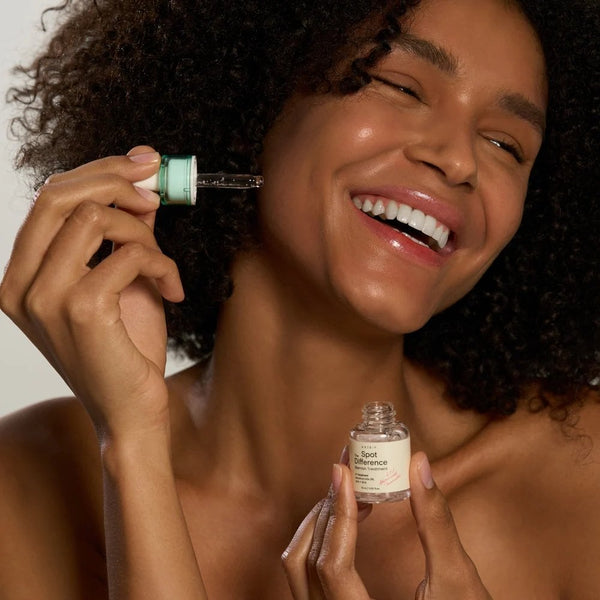
AXIS Y 6+1+1 Spot the Difference Blemish Treatment 15ml

About Acne Creams, Serums & Supplements

What Is Blemish-Prone Skin?

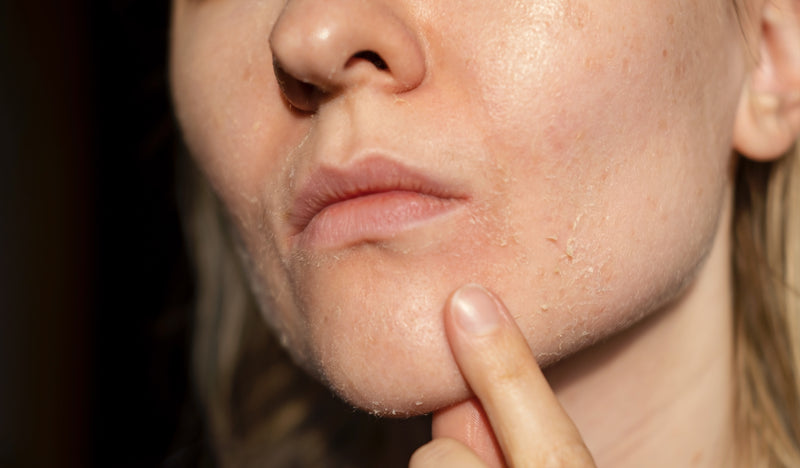
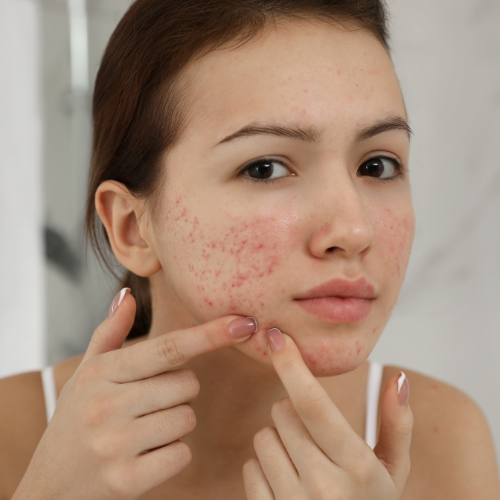
Blemish-prone skin is skin that is more likely to develop spots, pimples, blackheads, whiteheads, blocked pores, redness or inflamed blemishes. It can be oily, dry, sensitive, combination or dehydrated.

Common triggers for blemished skin include:
  • Excess oil production
  • Blocked pores and dead skin cell build-up
  • Hormonal changes
  • Stress and lack of sleep
  • Makeup, SPF or haircare products that do not suit your skin
  • Overusing active ingredients
  • A damaged or weakened skin barrier
  • Menstrual cycles, pregnancy, perimenopause or menopause
  • Genetics and lifestyle factors

Acne Creams, Serums, Supplements And Patches: What’s The Difference?

Different acne products play different roles in your routine. The key is understanding what your skin needs most.

Acne Creams

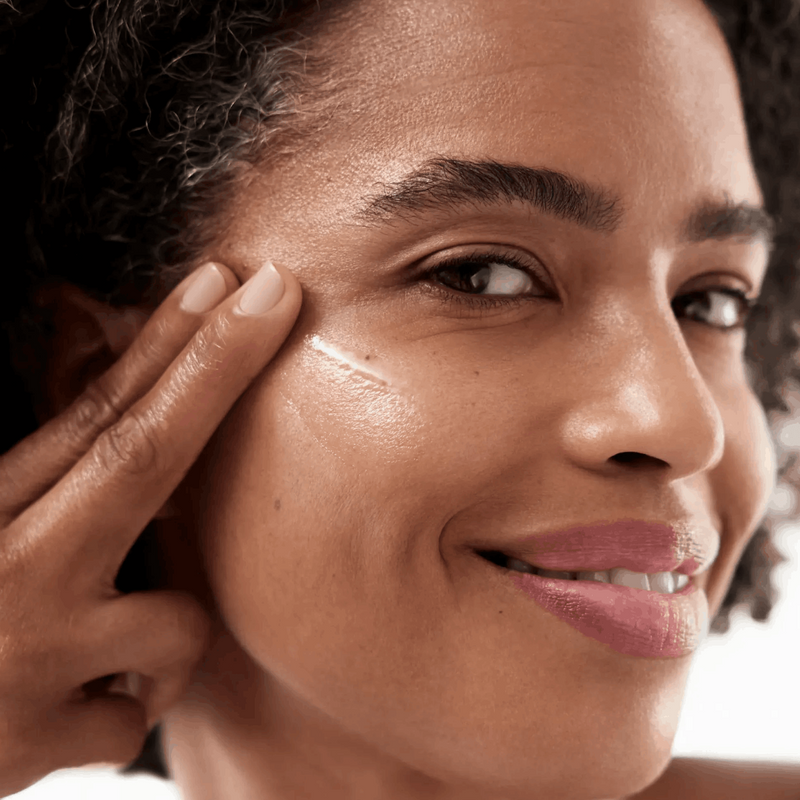
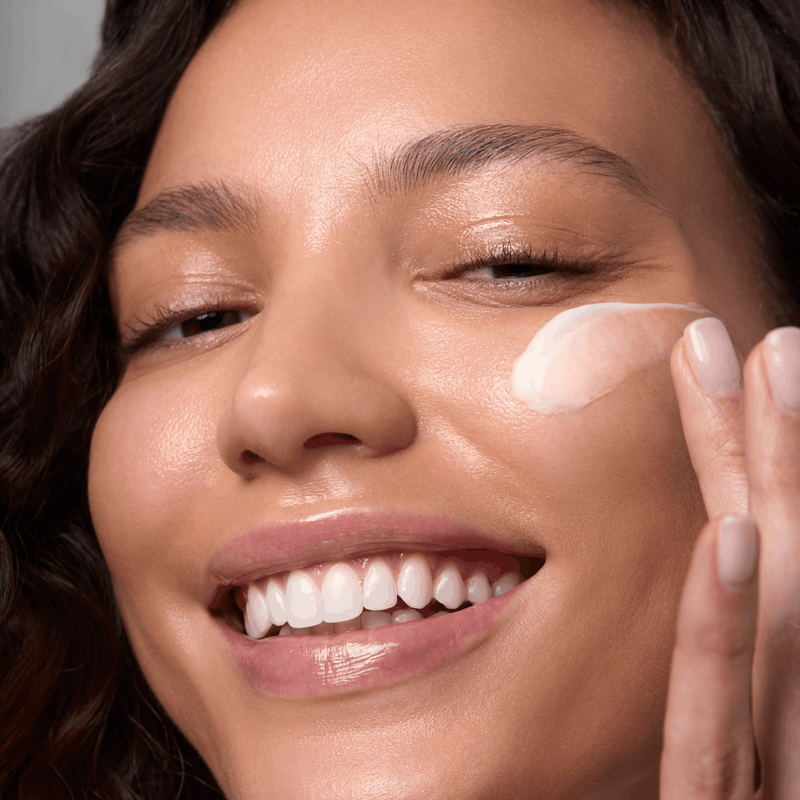
An acne cream is usually best for targeted treatment, comfort and barrier support. Depending on the formula, creams for acne may help with active blemishes, dryness, redness, post-blemish marks or overall skin balance.

An acne cream may suit you if your skin is:

  • Dry or dehydrated from active treatments
  • Sensitive as well as blemish-prone
  • Experiencing localised breakouts
  • In need of extra comfort and moisture
  • Prone to irritation from strong gels or exfoliants

The best acne cream for your skin should feel comfortable, non-greasy and supportive, without clogging pores or leaving a heavy finish.

Acne Serums

An acne serum is usually lightweight and designed to deliver active ingredients into your routine without feeling too rich. Serums are often a good choice for oily, combination and blemish-prone skin because they layer easily under moisturiser and SPF.

An acne serum may help target:

  • Congested skin
  • Uneven texture
  • Post-acne marks
  • Excess shine
  • Enlarged-looking pores
  • Blemishes across the forehead, cheeks, chin or jawline

The best serum for acne scars or post-acne marks will usually include ingredients that support clearer tone, smoother texture and a more even-looking complexion.

Acne Supplements

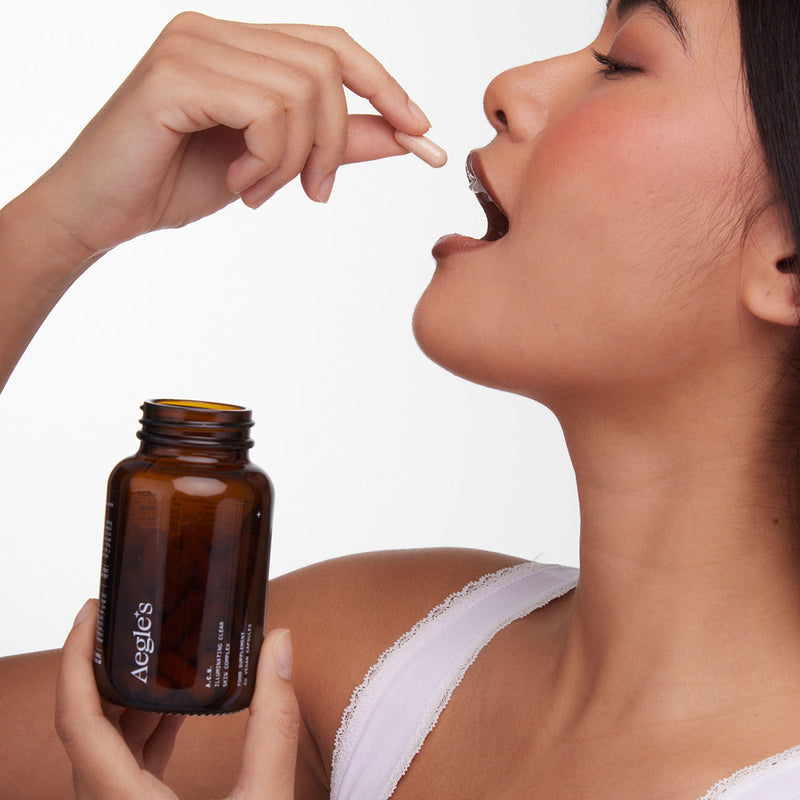
Acne supplements are designed to support your skin from within. They should not replace topical acne treatments, prescription medication or professional advice, but they may support your wider skincare, wellbeing and nutritional routine.

Supplements may be worth considering if:

  • Your breakouts seem linked to lifestyle, stress or hormonal changes
  • You want to support your skin alongside topical skincare
  • You are interested in beauty-from-within products
  • You prefer a routine that considers skin, nutrition and wellbeing together

Always follow product instructions and speak to a healthcare professional before taking supplements if you are pregnant, breastfeeding, taking medication, managing a medical condition or already taking other supplements.

Acne Patches

Acne patches are useful for individual pimples, especially when you are tempted to pick. They help protect the blemish, create a barrier between your skin and your fingers, and can absorb fluid from surface-level spots.

Acne patches are best for:

  • Whiteheads
  • Surface-level spots
  • Individual pimples
  • Reducing picking
  • Daytime or overnight spot care

They are less likely to help deep, cystic or under-the-skin blemishes, which often need a different treatment approach.

What Are the Best Ingredients For Acne-Prone Skin?

The best products for acne often combine targeted active ingredients with hydration and barrier support. Here are some of the most useful ingredients to know.

Salicylic Acid For Acne

Salicylic acid is often used in skincare products for acne because it helps exfoliate inside the pore. It is a popular choice for blackheads, whiteheads, excess oil and congestion.

Salicylic acid acne products may suit you if you experience:

  • Forehead acne
  • Acne on nose
  • Blackheads
  • Whiteheads
  • Oily or combination skin
  • Congestion
  • Back acne or body breakouts

Is salicylic acid good for acne? For many people, yes. It can help keep pores clearer and improve the look of congestion, but it should be introduced gradually to avoid dryness or irritation. Salicylic acid can help with blemishes, clogged pores and uneven surface texture, but it will not remove deep or indented acne scars.

Niacinamide For Acne

Niacinamide is a form of vitamin B3 and is a popular ingredient for blemish-prone skin. It can help support the skin barrier, balance the look of oiliness and calm the appearance of redness.

Niacinamide acne products may suit you if your skin is:

  • Oily but dehydrated
  • Blemish-prone and sensitive
  • Red or uneven-looking after breakouts
  • Struggling with a weakened skin barrier
  • Prone to shine throughout the day

Does niacinamide help with acne? It can support acne-prone routines, particularly when your skin needs balance and barrier care, but if a niacinamide product seems to trigger congestion, consider the full formula, texture, strength and what else you are using alongside it.

Retinol For Acne

Retinol and other retinoids are often used in routines for blemishes, clogged pores, uneven texture and post-acne marks. Retinol for acne can be especially useful in adult acne routines, where breakouts, texture and signs of ageing may be concerns at the same time.

Retinol may suit your skin if you want to target:

  • Clogged pores
  • Uneven texture
  • Post-acne marks
  • Adult acne
  • Dull or rough-looking skin

Is retinol good for acne? It can be, but it needs to be introduced slowly. Some people experience dryness, flaking or a temporary-looking increase in blemishes when first using retinol, especially if they use too much too soon. Use retinol at night, avoid layering it with too many strong active ingredients, and apply SPF every morning.

Azelaic Acid For Acne

Azelaic acid is a helpful ingredient for blemish-prone skin, uneven tone and post-acne marks. It is often chosen by people whose skin does not tolerate stronger acids or retinoids well.

Azelaic acid acne products may suit you if you experience:

  • Red-looking blemishes
  • Post-acne marks
  • Uneven tone
  • Sensitivity
  • Breakouts alongside redness

Does azelaic acid help with acne scars? It may help improve the look of post-acne marks and uneven tone, but true indented acne scars usually need professional treatment.

Glycolic Acid For Acne

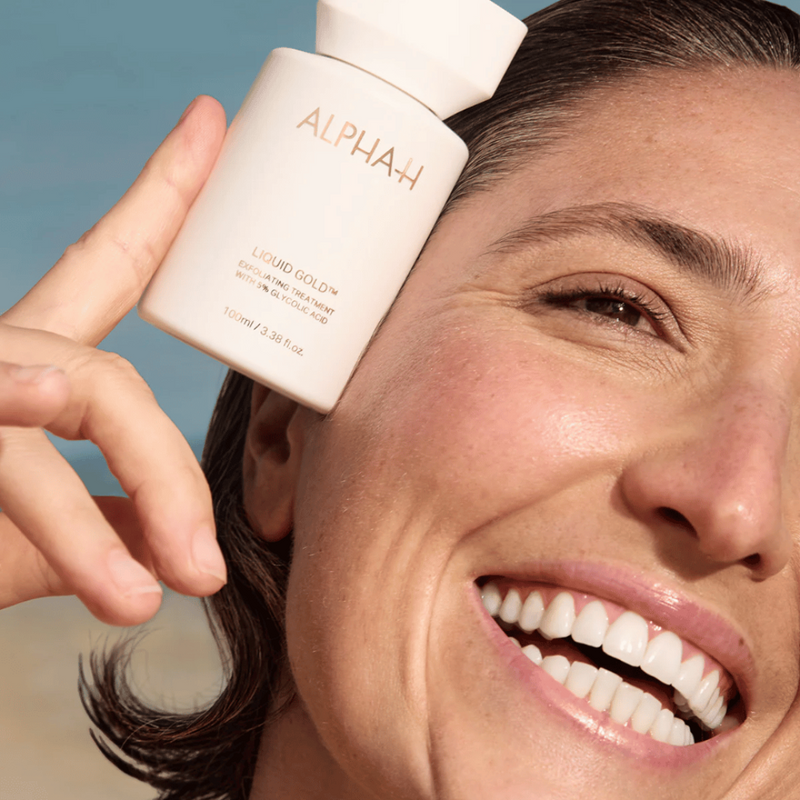
Glycolic acid is an alpha hydroxy acid that exfoliates the surface of the skin. It may help with dullness, uneven texture and some types of post-blemish marks.

Does glycolic acid help with acne? It can support some blemish-prone routines, especially where rough texture and surface build-up are concerns. However, it may be too strong for sensitive, inflamed or compromised skin.

Can glycolic acid cause acne? It may make skin look worse if overused, layered with too many other actives or applied to an irritated skin barrier. If your skin feels tight, hot, sore or more inflamed, simplify your routine and reintroduce actives slowly.

Fungal Acne Vs Hormonal Acne

Fungal acne and hormonal acne can look similar at first, but they are not the same.

Fungal acne is often used to describe Malassezia folliculitis. This is not true acne, but an acne-like follicle concern that can appear as small, uniform, itchy bumps. It is commonly seen on areas such as the forehead, hairline, chest, back, shoulders or upper arms.

Hormonal acne is usually linked to hormonal fluctuations and often appears around the chin, jawline and lower cheeks. It may feel deeper, tender or cystic, and can flare around menstrual cycles, stress, perimenopause or menopause.

We have a guide on fungal vs hormonal acne if you need more information.

Acne Scarring Treatment And Post-Acne Marks

Some of our community also struggle with acne scarring and post-acne marks. When people search how to get rid of acne scars, they may be referring to two different concerns:

  • Post-acne marks: red, brown or purple-looking marks left after a blemish
  • True acne scars: changes in skin texture, such as indented, pitted or raised scars

Post-acne marks can often improve gradually with the right skincare, daily SPF and consistent active ingredients. True acne scars are usually more complex and may need in-clinic treatments.

Ingredients that may help improve the look of post-acne marks include:

  • Niacinamide
  • Azelaic acid
  • Retinol or retinoids
  • Vitamin C
  • Salicylic acid
  • Glycolic acid
  • Daily SPF

A Simple Routine For Acne-Prone Skin

A focused routine is usually better than using too many acne products at once.

Morning Routine

  • Cleanse gently
  • Apply a balancing serum, such as niacinamide or azelaic acid
  • Use a lightweight moisturiser if needed
  • Apply broad-spectrum SPF every morning

Evening Routine

  • Cleanse thoroughly to remove SPF, makeup, oil and daily build-up
  • Apply your chosen acne treatment, such as salicylic acid, benzoyl peroxide or retinol
  • Follow with a barrier-supportive moisturiser
  • Use acne patches on individual surface blemishes if helpful

If your skin feels sore, tight, flaky, hot or more inflamed, it may be a sign that you are doing too much. Take your routine back to basics and reintroduce actives slowly.

When Should You Ask For Expert Acne Advice?

You may benefit from personalised acne advice if:

  • Your acne is painful or cystic
  • Your breakouts are leaving marks or scars
  • Your skin is not improving after consistent use of suitable products
  • You are unsure whether you have fungal acne or hormonal acne
  • You are experiencing menopausal acne
  • Your skin feels irritated from too many active ingredients
  • Acne is affecting your confidence or wellbeing
  • You are unsure which acne cream, serum or supplement to choose

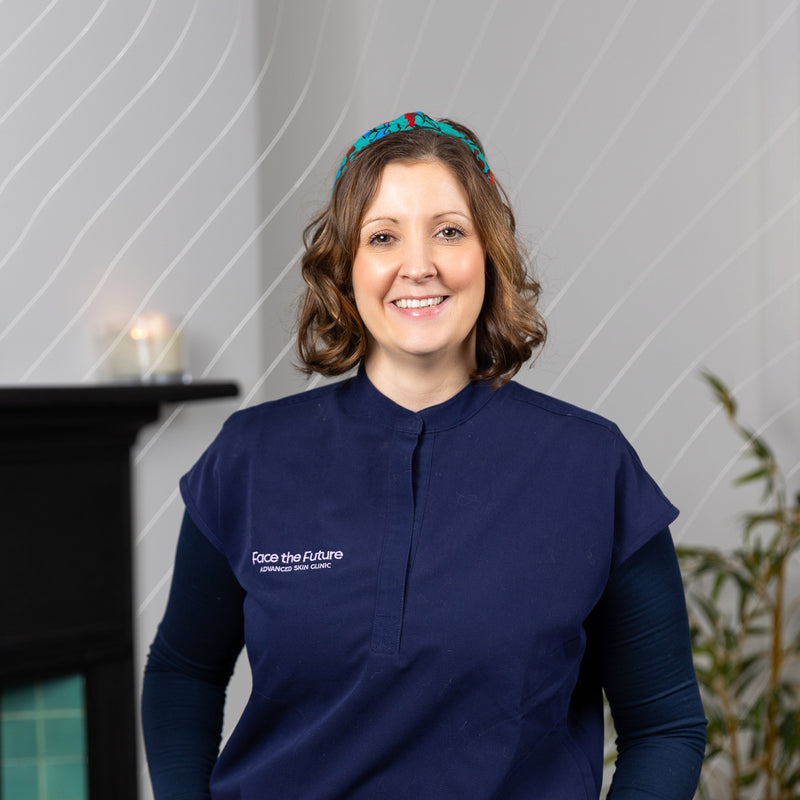
Our Skin Experts can help you build a routine that supports your skin type, acne concerns, lifestyle and product preferences, whether you are dealing with blemishes, congestion, post-acne marks, fungal acne-looking bumps, hormonal breakouts or acne scarring. Take our online skincare test to find out more.

Frequently Asked Questions

WHAT IS THE BEST ACNE TREATMENT?

The best acne treatment depends on your skin type, acne type and tolerance to active ingredients. A good starting point is a gentle cleanser, one targeted acne treatment, a lightweight moisturiser and daily SPF. If acne is painful, persistent or scarring, seek professional advice.

FUNGAL ACNE VS HORMONAL ACNE: WHAT IS THE DIFFERENCE?

Fungal acne usually refers
to Malassezia folliculitis, an acne-like concern that often appears as small,
itchy, uniform bumps. Hormonal acne is more likely to appear as deeper, tender
breakouts around the chin, jawline and lower cheeks.

HOW CAN I GET RID OF ACNE SCARS?

Start by controlling active acne, wearing sunscreen daily and using ingredients that support post-acne marks, such as retinol, niacinamide, azelaic acid or exfoliating acids. Some acne scars may need professional treatments such as microneedling, peels or laser acne scar removal.

WHAT IS THE BEST MOISTURISER FOR ACNE-PRONE SKIN?

The best moisturiser for acne-prone skin should be lightweight, non-greasy and supportive. Look for ingredients such as glycerin, hyaluronic acid, ceramides, panthenol or niacinamide.

DO ACNE PATCHES WORK?

Acne patches can be helpful for individual whiteheads and surface-level blemishes. They can protect the spot, reduce picking and absorb fluid. They are less useful for deep cystic acne.

DOES MAKEUP CAUSE ACNE?

Makeup does not always cause acne, but heavy, pore-clogging or poorly removed makeup can contribute to congestion. Choose breathable, non-comedogenic formulas where possible and cleanse thoroughly every evening.