Fungal vs Hormonal Acne: How to Tell the Difference
Fungal vs hormonal acne: learn the key differences, symptoms, triggers and treatment options, plus when to seek expert skincare advice.
There is a particular kind of frustration that comes from doing everything “right” and still seeing the same bumps every morning. You cleanse. You treat. You stop using the rich cream you loved. You try salicylic acid, benzoyl peroxide, maybe a retinoid. You give it a few weeks, then a few more. And still, nothing much changes.
At that point, it is fair to wonder whether you are dealing with acne at all.
Fungal acne and hormonal acne are often confused because, at a glance, both can look like breakouts. But they do not behave in the same way. They tend to show up in different places, respond to different triggers, and need different types of care.
One is linked to yeast overgrowth in the hair follicles, whereas the other is influenced by hormonal changes that affect oil production, blocked pores and inflammation. So, if your routine is not working, it might not mean you have failed, it might just mean your skin needs a different approach.
This blog will explain all you need to know about fungal acne and hormonal acne.

First, What is Fungal Acne?
Fungal acne is the everyday name for Malassezia folliculitis, but the slightly misleading part is the word “acne”, because it is not technically acne.
Malassezia is a type of yeast that naturally lives on your skin. Usually, that is not a problem. But when the balance shifts and the yeast overgrows, it can irritate the hair follicles and create small bumps that look a lot like acne.
This is why it gets mistaken for ordinary spots so easily, especially when it appears on your forehead, around your hairline, across your chest, on your shoulders or on your back.
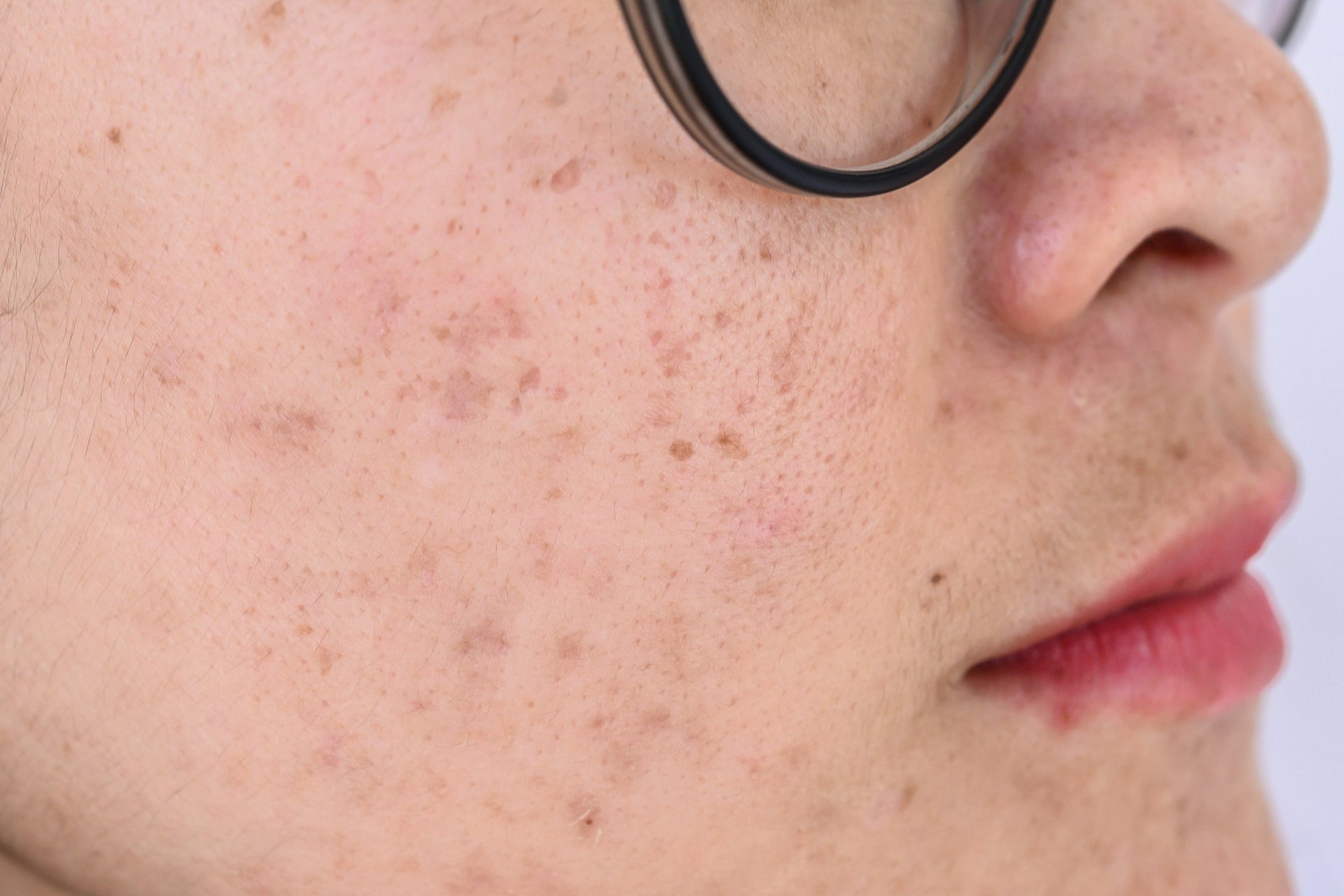
The main thing to look for is sameness, and this is because fungal acne bumps often look very alike. They are usually small, clustered and similar in size. You will not usually see the same mix you might get with acne, such as blackheads, whiteheads, inflamed pimples and deeper cysts all together.
Another giveaway is the itchiness. Not everyone gets it, but if your bumps are itchy, rash-like or seem worse when you sweat, the result of it being fungal acne becomes more likely.
What is Hormonal Acne?
Hormonal acne is acne influenced by changes in hormones, especially the hormones that can increase oil production with your skin.
More oil can mean more congestion. More congestion can then mean blocked pores, inflammation and sore breakouts that seem to come back in the same places again and again.
Hormonal acne is more likely to show up on the lower face as well. Think chin, jawline, lower cheeks, and sometimes the neck. It can feel deeper than other spots too, so instead of lots of tiny bumps on the surface, you may get tender lumps under the skin that take ages to calm down.
Timing is another clue.
In women, some of our community notice breakouts before their period. Others see changes after stopping or starting contraception, during pregnancy, when stress is high, or around perimenopause and menopause. The pattern is not identical for everyone, but hormonal acne often has a cyclical feel to it.
It also tends to be more varied than fungal acne. You might have clogged pores, red spots, painful under-the-skin bumps, and marks left behind once the blemishes heal. For more information on menopausal acne, see our helpful guide: Menopausal Acne: Why It Happens and How to Treat It.
The Quickest Way to Tell Hormonal and Fungal Acne Apart
Look at the bumps, the location and the triggers.
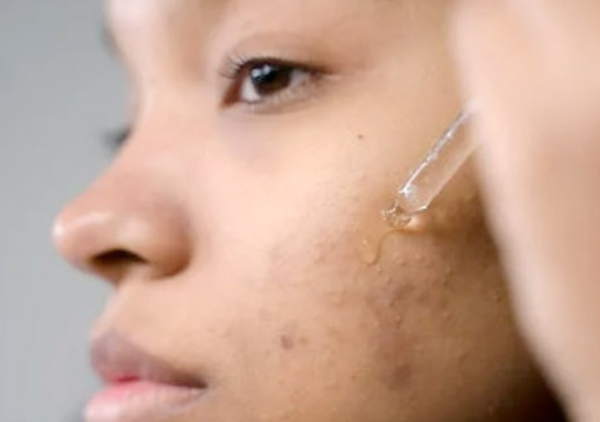
Fungal acne is usually small, uniform and clustered. It often appears on the forehead, hairline, chest, shoulders or back. It may feel itchy and can flare after sweating, hot weather, humidity, tight gym clothes, or heavy skincare and haircare products.
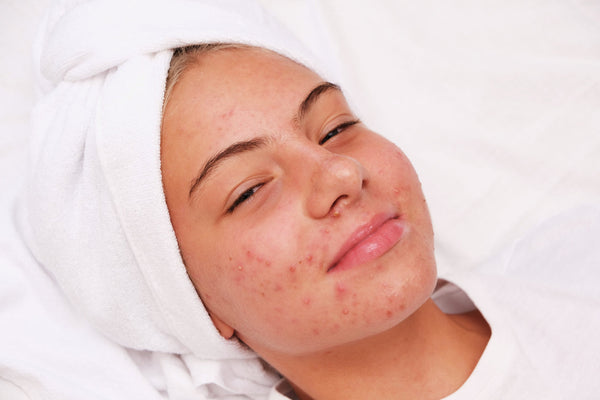
Hormonal acne, meanwhile, is usually deeper, more sore and less uniform. It often appears around the chin, jawline, lower cheeks or neck, and for women it may flare around your period, during stress or during other hormonal changes.
Response to treatment matters too.
If you have been using typical acne products for months and the bumps barely move, especially if they get worse with sweat or rich products, fungal acne may be worth asking about.
If the breakouts are painful, sit under the skin, return in cycles and always seem to choose your chin or jawline, hormonal acne may be the more likely explanation.

What Fungal Acne Can Look and Feel Like
Some of our community describe fungal acne as texture rather than spots.
Your skin may feel rough, bumpy, or covered in tiny bumps that all look similar. It can appear suddenly, especially after hot weather, workouts, heavy sweating or when using more occlusive products.
Common signs include:
- Tiny bumps that look similar to each other
- Clusters on the forehead, hairline, chest, shoulders or back
- Itching or a rash-like feeling
- Bumps that seem worse after sweat or heat
- Little improvement from standard acne treatments
- Texture without many blackheads or classic clogged pores
Haircare can also play a role. Rich conditioners, oils, leave-in products and styling creams can sit around the hairline, neck, shoulders or back. For some of our customers, that makes the area feel more congested or irritated.
What Hormonal Acne Can Look and Feel Like
Conversely, hormonal acne tends to announce itself differently.
It is often sore. It may sit deeper in your skin, and it may come back in the same area even when the rest of your face is relatively clear.
Common signs include:
- Painful spots around the chin or jawline
- Deeper bumps under the skin
- Breakouts that return in the same place
- Flares before a period
- Redness and inflammation that linger
- Marks left behind after the spot has healed
This kind of acne can feel especially unfair because your skin may look calm for a while, then suddenly flare up again with very little warning.
It can also be slower to improve, but that does not mean healthy, ongoing skincare routines are pointless. A good skincare routine can help manage oiliness, skin congestion, irritation and post-acne marks. But, if hormones are a major driver in your acne, you may need more than a surface-level approach to help treat it.
Why Your Usual Acne Products Might Not Help Fungal Acne
Most acne routines are designed for typical acne, because they focus on things like blocked pores, excess oil, inflammation, and acne-related bacteria.
That is where ingredients such as salicylic acid, benzoyl peroxide, retinoids, and azelaic acid can be useful.
Fungal acne works differently. Because it is linked to yeast overgrowth in the follicles, exfoliating harder or adding another spot treatment is not always the answer. In fact, a routine that is too rich, too heavy or too complicated may make your skin’s texture feel more stubborn.
This is where professional advice helps. A pharmacist, GP, dermatologist or qualified skin professional may suggest an antifungal option, depending on your symptoms. Ingredients such as ketoconazole or selenium sulfide are commonly discussed for fungal-related skin concerns, but it is best not to guess if any rash is spreading, painful, very itchy or not improving.
It is also worth remembering that not every bumpy rash is fungal acne. Folliculitis, dermatitis, rosacea, skin irritation and allergic reactions can all look confusingly similar.

How to Approach Hormonal Acne
With hormonal acne, the aim is usually consistency rather than intensity.
It is tempting to attack painful spots with every active ingredient in your home, but that can cause problems. Too many strong products can leave your skin barrier irritated, dry and more reactive.
A simple routine is often a better starting point – this includes using:
- A gentle cleanser
- One targeted treatment, such as salicylic acid, azelaic acid, or a retinoid
- A lightweight, non-comedogenic moisturiser
- Daily SPF
- Enough time to see whether the routine is helping
For some of our community, this is enough to make their skin feel calmer and more predictable. For others, hormonal acne needs medical support. Prescription creams, oral medication or hormone-related treatments may be recommended depending on your skin, health history and current situation.
The important thing is not to keep switching products every week. Hormonal acne can take time, and constant changes make it harder to know what is helping.
Can You Have Both Fungal and Hormonal Acne?
Yes. In fact, you might have hormonal acne on your chin and jawline while also having small itchy bumps on your forehead or chest. You might also be acne-prone generally, but find that sweat, heat, friction or certain products create a second type of bumpiness elsewhere.
When breakouts behave differently in different areas, it helps to treat them as different clues rather than one single problem.
That does not mean using a dozen products though. In fact, the opposite is usually better, because you want to keep your skincare routine simple, introduce changes slowly, and pay attention to what improves, what worsens and what stays exactly the same.
When to Ask for Expert Advice for Acne Breakouts
It is worth getting expert advice if:
- Your breakouts are painful, widespread or leaving scars and scarring
- You have tried acne products consistently and nothing has changed
- The bumps are very itchy or rash-like
- Your skin is getting worse quickly
- You are not sure whether it is acne, folliculitis, rosacea, dermatitis or something else
- You are pregnant, breastfeeding or using prescription medication
- Your skin is affecting your confidence or wellbeing
You do not have to wait until your skin feels inflamed or uncomfortable, either. Getting the right diagnosis early can save you a lot of time, money and frustration.

Questions to Ask About Your Own Skin
Before changing your routine again, take a step back and look for patterns with your fungal or hormonal acne and ask yourself the following questions:
· Are the bumps itchy?
· Do they all look the same?
· Is the acne mostly on the forehead, hairline, chest, shoulders or back?
· Does it get worse after sweating, heat or wearing tight clothing?
· Do your breakouts flare before your period or during stressful periods?
· Are the spots deep, sore or under the skin?
· Are they mainly around the chin and jawline?
· Have standard acne treatments helped, or have they made very little difference?
These answers will not replace a diagnosis, but they can help you describe what is happening more clearly when you are looking for remedies.
Building a Skincare Routine for Fungal or Hormonal Acne
For fungal acne-like bumps, avoid making the routine heavier. Wash after sweating, choose lightweight textures, and be mindful of rich hair products that sit near the hairline, neck, chest or back. If the symptoms fit, ask a pharmacist, GP or dermatologist whether an antifungal approach makes sense.
For hormonal acne, think steady and supportive. A routine with a gentle cleanser, targeted active, moisturiser and SPF is often a stronger foundation than a shelf full of harsh treatments. Ingredients such as salicylic acid, azelaic acid, niacinamide, and retinoids can all be helpful, but they need to be chosen based on your skin’s tolerance levels.
And, whichever type of breakout you are dealing with, SPF is still important. Inflammation can leave marks behind, and sun exposure can make those marks look darker or last longer.
Final Thoughts
Fungal acne and hormonal acne can look similar, especially when you are staring at your skin in the mirror trying to work out what has changed. But they usually behave differently.
Fungal acne is more likely to be small, uniform, itchy and triggered by sweat, heat, humidity or heavier products. Hormonal acne is more likely to be deeper, more painful, cyclical and concentrated around the chin and jawline.
The goal is not to blame your skin or keep forcing the same routine. Sometimes, the most helpful step is recognising that the problem may need a different approach.
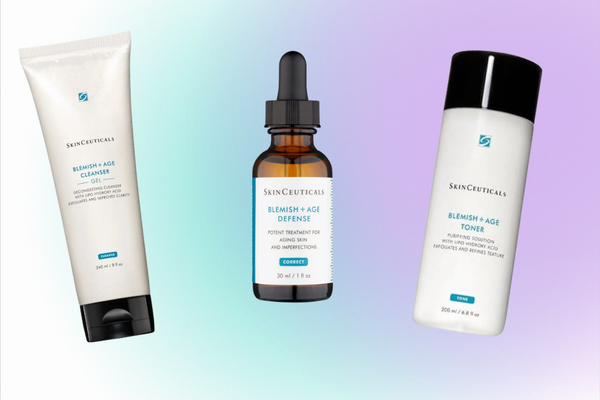
If you are unsure where to start, explore our expert acne advice, shop our Products for Hormonal Acne collection or contact us to speak to our Skin Experts for personalised support. We can help you understand what your skin may be telling you and guide you towards a routine that feels clearer, calmer and more considered.