Can Weight Loss Injections Cause Skin Problems? Our Experts Guide to Skin and Hair Side Effects
Weight loss injections can bring visible changes to your skin and hair. Our clinical experts share what they’re seeing, why it happens, and how to take a considered approach to supporting your...

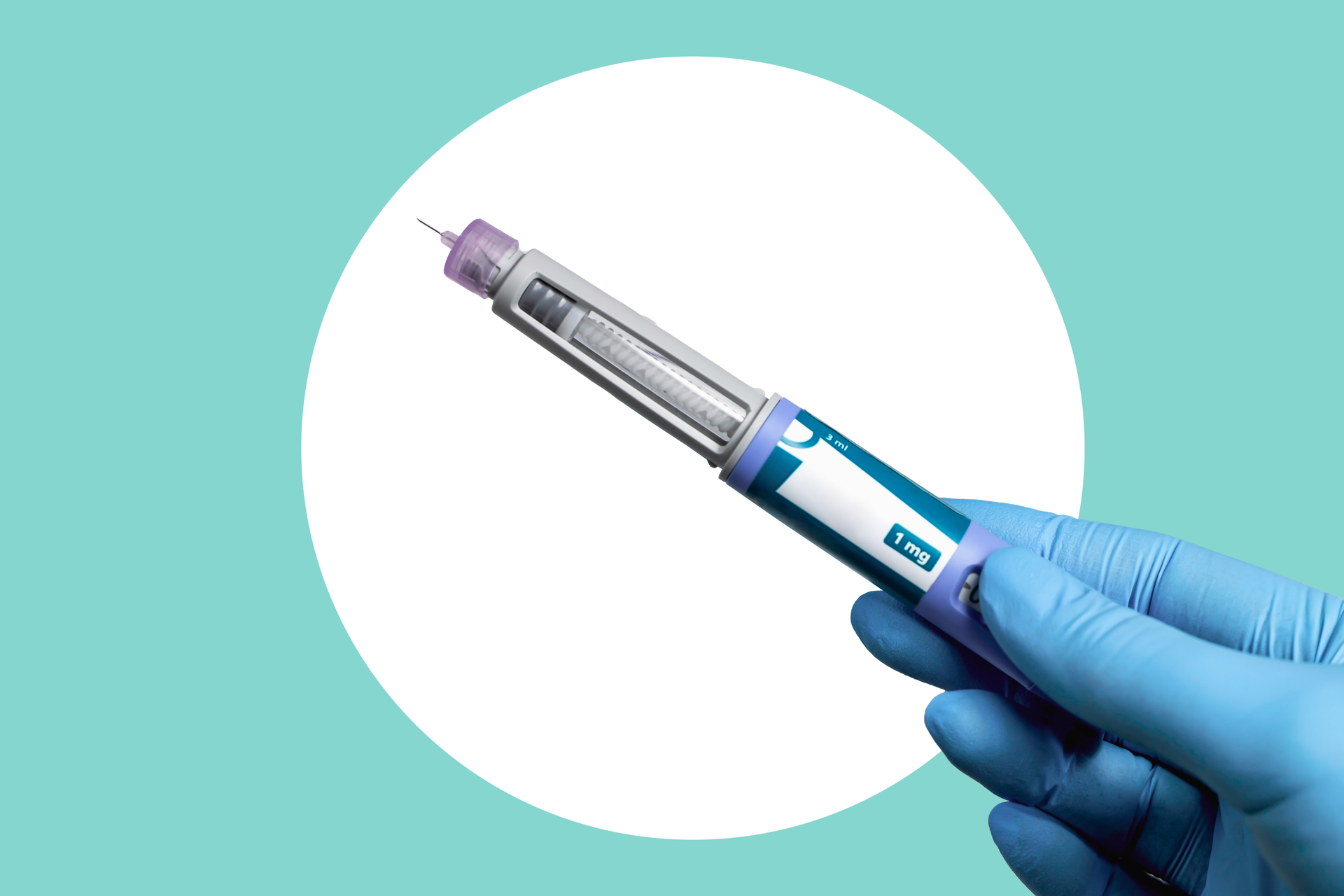
As weight loss injections continue to see a surge in popularity, more of us are left wondering what they really do beyond our bodies, and the impact on our skin and hair, too. We all remember the Ozempic face search spike, but with more options and more popularity than ever, where does that leave us?
The NHS recommends these jabs for those who are struggling with obesity-related health risks. They should only be accessible to patients whose weight, height or BMI are thoroughly checked by the prescriber.
But with growing demand has come a surge in online providers offering them without the right level of care or due diligence, raising concerns not only around safety, but the wider impact on health.
While weight loss injections can offer life-changing results when used correctly, they don’t come without side effects. From changes in skin firmness to increased hair shedding, our clinical experts are seeing more patients experiencing visible changes.
Here, Face the Future clinical experts Suzanne and Kimberley share what they’re seeing, why these changes can happen, and how you can support your skin and hair through it, with the right knowledge, not fear.
What skin changes are experts seeing?
One of the most common concerns our experts are seeing is a visible change in skin when weight loss happens quickly from the injections.
This can include:
Sagging skin on the arms, neck and around the jawline
A hollowed appearance in the face, as fat pads reduce quickly
A loss of firmness and elasticity
While some movement in facial fat pads is a natural part of ageing, rapid weight loss can accelerate this process.
In many cases, it can present as what feels like premature ageing.At the same time, the body is going through a significant period of adjustment, from shifts in nutrition to internal stress responses, all of which can influence how our skin behaves.
"It's about being aware of it, not being scared of it and knowing there are products and treatments out there that can help", our skincare expert, Suzanne, reminds us.
Why breakouts can appear
For some, another unexpected side effect is the onset of breakouts.
As our head of clinic, Kimberley, explains:
“A shock to people is often when the skin breaks out or develops acne. They think I’m not eating as much or eating as much rubbish because I’m on these weight loss injections. Which is a huge misconception. It’s actually the cortisol levels changing, which can then trigger inflammation within your body, and can come out in your skin.”
Expert-recommended skin support
Rather than overloading the skin with products, it’s about understanding what it needs during this time of change and supporting it in a considered way. Focusing on barrier strength, hydration, and gentle stimulation of renewal can help the skin adapt more comfortably, while maintaining a healthier, more resilient appearance.
When the skin is experiencing volume loss or reduced resilience:
ZO Skin Health Peptide Complex
Designed to support visible volume loss while strengthening the skin barrier, this formula uses advanced peptide technology to help improve firmness and overall skin quality.

When the skin feels more sluggish or slower to renew:
Dermalogica Phyto Nature Firming Serum
This treatment supports skin renewal in a gentle, controlled way, helping to revitalise without causing irritation, while improving the appearance of firmness.
Can weight loss injections affect your hair?
Hair changes are another area our experts are increasingly being asked about.
You may notice:
Increased shedding
Thinner-feeling hair
More breakage than usual
Suzanne explains, “While we would always expect to see natural shedding from our hair cycle, there has been an increase with rapid weight loss. A lot of it comes down to nutritional depletion from loss of appetite and hormonal shifts kicking in early".
This doesn’t necessarily mean something is wrong, but rather that the body is responding to a period of change.
“If you are feeling like your hair is dramatically coming away, then that’s something that you’d have a conversation with your GP, and you’d be able to explore the reasons why. However, the normal natural process is just getting sped up a little bit.”
Expert-recommended hair support
When hair starts to feel thinner or shedding increases, we need to look beyond the surface and focus on what’s happening at the root.
As Suzanne explains, “Look at supporting your scalp health, because if your hair is coming through but the root of the hair is not healthy enough, you’re not going to have that strong bond within the hair. So we want to make sure we’re looking at the root cause and strengthening that barrier.”

Supporting scalp health, alongside maintaining good nutrition, can help you create the right environment for stronger, more resilient hair as your body adjusts.
For increased shedding and breakage, our experts recommend:
Paul Mitchell Anti-Thinning Shampoo & Conditioner
A targeted system that supports both scalp and hair health, helping to condition, strengthen and reduce breakage during periods of increased shedding.
Alongside this, these small changes in your routine can make a meaningful difference:
Reduce excessive heat styling
Always use heat protection
Be gentle when brushing and handling hair
Taking a 360 approach to support
As always at Face the Future, our support comes from looking at the full picture.
That means considering:
Diet and nutrition: ensuring you’re still getting the nutrients your skin and hair need
Supplements, where appropriate
Topical skincare and haircare
Professional treatments, depending on where you are in your journey
When to seek further advice
While many of these changes are common, it’s important to listen to your body.
If something feels out of the ordinary:
Speak to the professional who prescribed your injections
Seek guidance from a skincare or haircare expert
Consult your GP if you’re concerned about underlying causes
You don’t need to navigate these changes alone, and the right support can make all the difference.
Learn more about our 360 approach to self-care or book a virtual consultation with Suzanne to discuss your skin.
Shop Our Experts Top Picks To Support You